Guide
Tile Roofing (Clay & Concrete): what to know in California
Tile is the signature roof of Southern California and the most commonly misunderstood. The tile is a rain screen and a UV shield. The layer that actually keeps water out of the house is the underlayment beneath it. Clay and concrete tile routinely last fifty years or more; the underlayment under an older California home may only last twenty to thirty. That mismatch is the central fact of tile roofing here.
Lift-and-relay: the option most homeowners are not offered
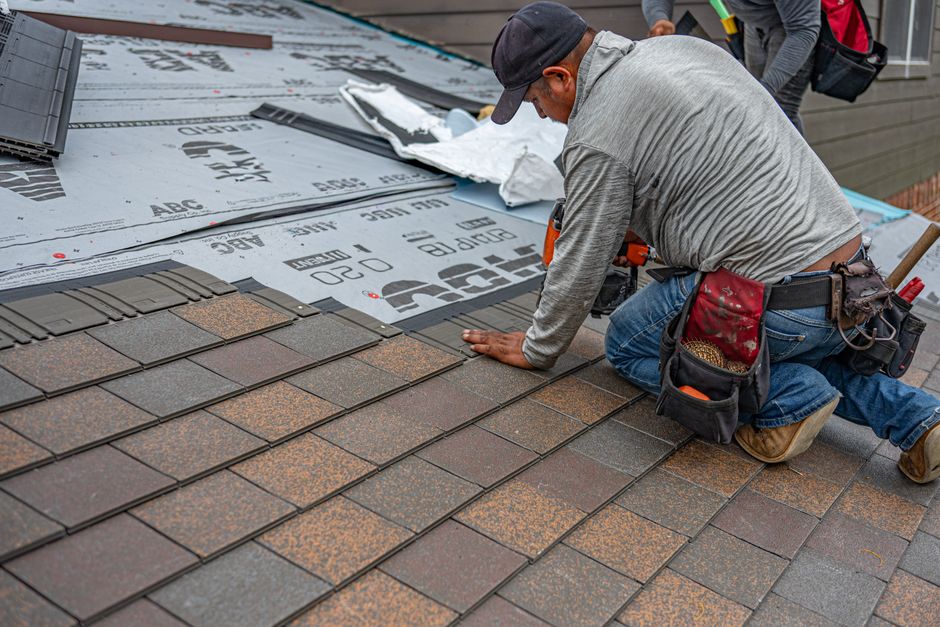
When the underlayment has reached the end of its life but the tile is sound, the correct repair is not a new roof. It is a lift-and-relay: the tile is carefully removed and stacked on site, damaged pieces are set aside, battens and underlayment are replaced, flashing is renewed, and the original tile goes back down with new fasteners. It costs materially less than a full replacement and produces a roof with decades in it. Always ask for a lift-and-relay quote alongside any replacement quote so you can see the delta.
Matching discontinued profiles
Many California homes carry tile profiles that went out of production decades ago. Experienced tile roofers keep salvage stock and know the regional yards. The standard technique when nothing matches is to harvest tiles from an inconspicuous slope to patch the visible elevation, then fill the harvested area with the nearest available substitute. "We would have to redo the whole roof" is sometimes true and often not.
Why tiles break
Foot traffic is the leading cause by a wide margin, satellite, solar, HVAC, paint and pest crews all walk tile roofs, frequently badly. After that come falling limbs, thermal cycling on older concrete tile, and slipped tiles where the nose lug or fastener has failed. A cracked tile is not an emergency but it exposes underlayment directly to UV and to standing water, so it should be replaced promptly and cheaply rather than left.
Tile and fire
Tile is noncombustible, but a barrel tile roof with open ends at the eaves and ridges is an ember trap, and the underlayment beneath is usually combustible. Ember-blocking those openings, birdstop, mortar or approved closures, is what turns a tile roof into a genuine Class A assembly under Chapter 7A.
20–30 yrsTypical service life of composition shingle
50+ yrsTypical service life of clay or concrete tile
Class ARoof assembly rating required in California WUI zones
C-39California roofing licence class, verify at cslb.ca.gov